Bio‑pollutants in reservoirs and lakes (such as cyanobacteria and geosmin) are an important problem because they directly affect drinking water and recreational use. Their appearance can be rapid and hard to predict, increasing risks for public health and water management.
Detecting them as early as possible is essential to act in time, minimize impacts, and plan corrective measures before the situation escalates.
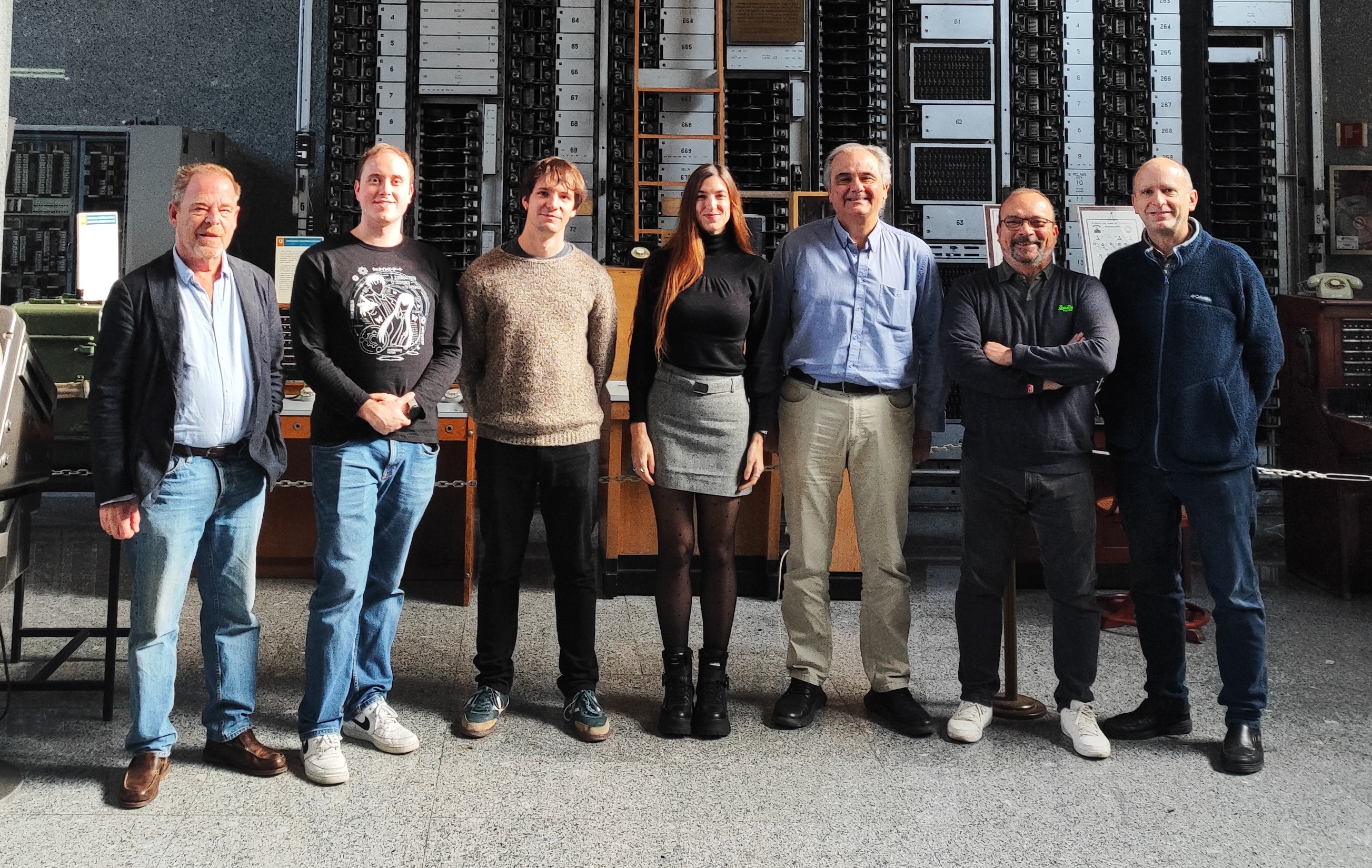
The coordinated BEST-WATER project, driven by a research consortium formed by UCM, URJC, and UPM, aims to develop digital solutions to monitor water bodies in real time and support decision‑making through sensors, artificial intelligence, and analytics platforms.
Its objectives include improving detection and response capabilities, increasing the reliability of early‑warning systems, and enabling predictive management of water resources.
Within this framework, the UPM contribution focuses on the WATER-SUSTAIN subproject. Our goal is to ensure that the digital infrastructure behind those alerts is sustainable, scalable, and efficient. We develop modeling, simulation, and optimization methods to plan realistic deployments and align technology with resources and environmental constraints.
Our team expects tangible outcomes: lower energy use, greater operational robustness, and better‑informed decisions before real‑world deployment. The UPM principal investigator is Patricia Arroba García.
Read the full project page:
Project code: PID2024-156033OA-C33 (subproject of BEST-WATER).
